
A downy woodpecker clings to your suet feeder, takes a few quick pecks, and vanishes. Ten minutes later, it’s back. And again. And again.
Woodpeckers don’t just visit suet feeders—they depend on them. A single woodpecker can consume up to 15% of its body weight in food daily during winter, burning through calories just to stay warm. But what if your regular suet contains peanuts, and you’ve noticed some birds hesitating? Or maybe you’re avoiding peanuts for your own peace of mind.
The good news? You can make suet that woodpeckers actually prefer over store-bought versions, using zero peanuts. This homemade suet recipe uses simple ingredients you probably already have in your kitchen.
This guide gives you the exact recipe, the best alternative ingredients, and everything you need to keep your backyard woodpeckers fed, healthy, and coming back all year. Whether you’re new to bird feeding or a seasoned pro, this homemade suet recipe is simple, reliable and peanut-free.
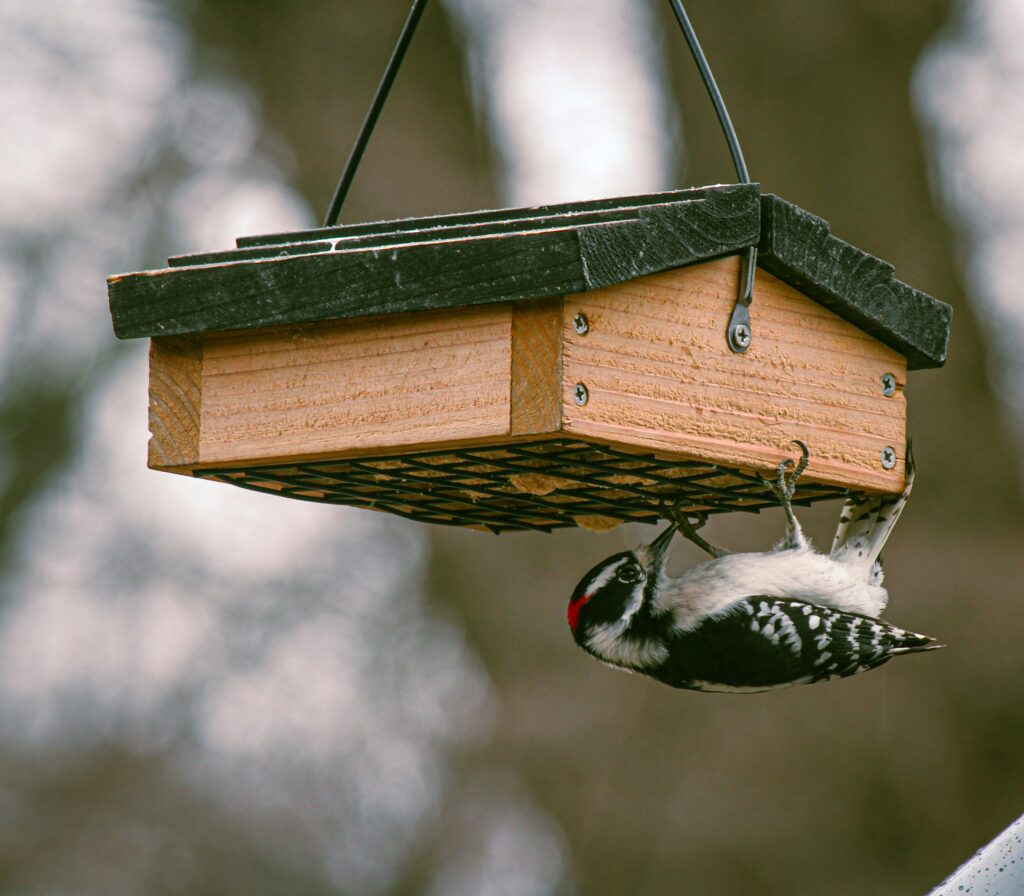
Homemade Suet for Woodpeckers Without Peanuts: Recipe and Essential Ingredients
Creating peanut-free suet cakes allows you to safely feed woodpeckers and other birds while avoiding allergens and attracting species that prefer alternative ingredients. A basic fat-to-dry-ingredient ratio of 1:2 forms the foundation of any successful homemade bird suet recipe.
Why Choose Peanut-Free Suet for Woodpeckers?
Many birds, including downy woodpeckers and red-bellied woodpeckers, thrive on suet recipes that exclude peanuts entirely. Peanut-free formulations eliminate allergy concerns for humans preparing the suet while providing equally nutritious options for birds.
Peanuts can sometimes carry aflatoxins or spoil quickly in warm weather. By skipping them, you create cleaner suet that stays fresh longer in your suet feeder. Birds like nuthatches, chickadees, and various woodpecker species readily consume alternative ingredients.
Winter feeding becomes more critical when natural food sources disappear under snow and ice. Your homemade suet provides essential fats and calories that help birds maintain body temperature during cold months.
The homemade suet recipe below uses all these alternatives, giving you a proven base that works for multiple bird species.
The Best Peanut-Free Ingredients for Suet
Vegetable shortening and lard serve as the primary fat sources for bird suet without peanut butter. Use 3 to 3.5 cups of either fat as your base ingredient. Beef suet from your butcher offers another traditional option that woodpeckers particularly enjoy.
Recommended seed mix:
- Black oil sunflower seeds (1/2 cup)
- Wild bird seed blend (1/2 cup)
- Cracked corn (1/4 to 1/2 cup)
Black oil sunflower seeds contain higher fat content than striped varieties, making them ideal for energy-rich suet cakes. Add texture and nutrition with 2 cups of combined cake crumbs, bread pieces, and rolled oats. Dried cranberries or raisins (1/2 cup) provide natural sugars and attract fruit-loving species alongside woodpeckers.
Grated cheese adds protein and calcium that female birds need during nesting season.
Simple Peanut-Free Suet Recipe (Step by Step)
Soften your chosen fat without melting it completely to prevent separation. Place 3 cups of lard or vegetable shortening in a large pot and mix in 1/2 cup of grated cheese until combined.
Add dry ingredients gradually:
- Stir in sunflower seeds and wild bird seed
- Mix in the bread crumb and oat mixture
- Add dried fruit last
The mixture should hold together without crumbling. If too dry, add small amounts of beef broth until you achieve a moldable consistency.
Prepare yogurt cups or silicone containers by punching a small hole in the bottom of each. Thread string through and tie several knots to secure. Fill containers with the suet mixture and freeze for 2-3 hours until solid.
Remove from freezer and let sit for 2-3 minutes to soften slightly. Squeeze the suet cakes from their containers and hang them from your suet feeder or tree branches.
How to Customize Suet for the Birds in Your Area
Adjust your homemade suet recipe based on which woodpecker species visit your area. Downy woodpeckers prefer finer textures, so grind seeds more thoroughly. Larger species like flickers handle chunkier mixes with whole seeds and corn.
Add dried mealworms or other dried insects for insect-loving species common in your region. Mix in nyjer seeds if you want to attract smaller birds alongside woodpeckers. Regional preferences vary, so observe which ingredients disappear fastest from your suet feeder.
Once you’ve mastered the basic homemade suet recipe, experimenting with regional variations becomes easy and fun.
Serving, Storing, and Maintaining Suet for Maximum Bird Health
Proper serving techniques and storage methods determine whether your homemade suet recipe remains fresh and safe for woodpeckers and other visiting birds. Temperature control and feeder selection directly impact how long your suet lasts and which species it attracts.
Best Feeders for Woodpeckers + Where to Put Them
Suet cages are the most reliable option for serving homemade suet to woodpeckers. These wire mesh feeders allow birds to cling while feeding and provide excellent drainage to prevent moisture buildup. Standard suet cages accommodate blocks cut to roughly 4.5 x 4.5 inches.
Tail-prop feeders work especially well for woodpeckers because they let birds brace against an extended lower section while feeding. This design attracts larger species like pileated woodpeckers and even the occasional brown creeper.
Platform feeders can hold suet but lack drainage, which accelerates spoilage in warm or wet conditions. If you use platforms, check them daily and clean frequently.
Mount suet feeders 5-6 feet high on tree trunks or poles where woodpeckers naturally forage. Position them in shaded areas during warmer months to slow melting. Keep feeders at least 10 feet from windows to prevent collisions.
How to Store Homemade Suet (So It Stays Fresh)
Refrigerate homemade suet for up to two weeks or freeze it for up to three months. Wrap individual portions in plastic wrap or parchment paper before placing them in airtight containers or freezer bags to prevent freezer burn and odor absorption.
Ingredients like corn and dried fruit can harbor bacteria if stored improperly. Always keep unused suet refrigerated until you’re ready to place it in feeders.
Thaw frozen suet in the refrigerator overnight rather than at room temperature. This gradual thawing prevents condensation that promotes mold growth. Cut suet into smaller blocks before freezing so you can use one portion at a time without thawing the entire batch.
Seasonal Suet Feeding: Summer vs. Winter Tips
Check suet daily in temperatures above 70°F for signs of rancidity, mold, or melting. Suet that smells sour or shows discoloration should be discarded immediately and the feeder cleaned with a 10% bleach solution.
Winter feeding (below 50°F) allows suet to stay fresh for 5-7 days. During this season, woodpeckers, nuthatches, and chickadees consume the most suet as they need extra calories for warmth.
Spring and summer require more vigilance. Replace suet every 2-3 days when temperatures exceed 70°F. Consider offering suet only in morning hours during heat waves, removing it by midday.
Clean suet feeders weekly with hot soapy water, rinse thoroughly, and dry completely before refilling. Remove old suet remnants from suet cages using a stiff brush to prevent bacterial growth that could harm visiting birds.
What Happened When I Made This
I’ll be honest—my first batch was too dry. I had to add a bit more melted shortening to get it to hold together. But once I got the ratio right, the results surprised me.
The downy woodpeckers found it within hours. A pair of red-bellied woodpeckers showed up by day three. And the nuthatches? Absolutely loved it.
I also learned that placement matters more than I expected. When I moved the feeder from an open pole to a tree trunk about six feet up, the woodpeckers visited twice as often.
This homemade suet recipe works. But more importantly, it’s forgiving—you can tweak it based on what your birds like and what you have on hand.
Conclusion
Making your own homemade suet recipe gives you control, saves money and attracts more woodpeckers and many other bird species than store bought. With the ingredients and tips above, you’re ready to start feeding backyard birds safely and effectively.
Once you’ve attracted woodpeckers with this homemade suet recipe, you might want to capture their behavior on camera like I do. I have a complete guide on setting up a GoPro at your feeder.
Frequently Asked Questions
What are the best substitutes for peanuts in homemade suet recipes?
– Sunflower seeds: Black oil sunflower seeds contain approximately 40% fat and provide the highest energy content of any seed alternative.
– Dried mealworms: Offer protein comparable to peanuts and reliably attract woodpeckers and other insect-loving birds.
– Rendered beef fat: Serves as your primary binding ingredient—mix two parts melted beef suet with one part seed blend for optimal consistency.
– Grated cheese: Adds calcium for nesting birds (use in small amounts).
– Dried fruits: Unsalted cranberries or raisins contribute natural sugars without allergen risks.
Pro tip: Combine several of these ingredients to create variety that attracts multiple species.
—
How can I create a no-melt homemade suet recipe that is safe for woodpeckers?
– Use beef fat as your base: Rendered beef fat has a higher melting point than vegetable-based fats, staying solid in warmer weather.
– Add cornmeal or quick oats: Mix one cup of dry ingredients per cup of melted fat to create a firmer texture.
– Include sunflower chips: These add nutrition without compromising the structural integrity of the suet.
– Refrigerate before hanging: Pour into molds and chill for at least two hours before placing outdoors.
Temperature range: This combination resists melting in temperatures up to 80°F while maintaining the high-fat content woodpeckers need.
—
What ingredients should I use to make suet for woodpeckers if I want to avoid using lard?
– Vegetable shortening: A plant-based alternative that binds seeds effectively—mix two cups shortening with three cups birdseed.
– Coconut oil: Works well in cooler climates below 76°F; combine with cornmeal at a 1:1 ratio to improve heat resistance.
– Beef tallow: Ask your butcher for beef fat trimmings and render them yourself (melting point around 95°F).
– Add-ins: Dried fruit or grated cheese work with any of these fat bases.
Note: Coconut oil softens rapidly in heat, so it’s best for winter feeding only.
—
Can I use beef fat for making bird suet, and what is the process?
– Yes, and woodpeckers prefer it. Ask your butcher for beef kidney fat or other hard fat trimmings—these contain higher saturated fats that remain solid at room temperature.
– Render the fat: Cut into small pieces and place in a heavy pot over low heat for 30-45 minutes, stirring occasionally.
– Strain: Pour the liquid fat through cheesecloth into a clean container, discarding solids.
– Cool slightly: Let it thicken but remain pourable, then mix in seeds, dried fruit, or other add-ins.
– Mold and refrigerate: Pour into molds or a shallow pan, refrigerate until solid, then cut into blocks.
Storage: Rendered beef fat suet keeps longer than other varieties—up to three months frozen.
—
How to prepare a bird-suited suet that won’t harm woodpeckers without using peanut butter?
– Melt one cup fat: Use vegetable shortening or rendered beef fat in a saucepan over low heat.
– Add dry ingredients: Stir in two cups quick oats and one cup cornmeal to create a binding base.
– Mix in protein: Add one cup sunflower seeds and half a cup dried mealworms.
– Press into molds: While still warm, press firmly into silicone molds or a lined baking pan.
– Refrigerate: Chill for at least one hour until fully set.
Why this works: This recipe provides the same high-energy benefits as peanut butter versions without introducing potential allergens to your feeding station.
—
What is the preferred type of suet for attracting woodpeckers to my garden?
– High-fat content is key: Rendered beef fat mixed with black oil sunflower seeds attracts downy, red-bellied, and hairy woodpeckers most consistently.
– Pure beef suet: Contains approximately 90% fat—the concentrated energy woodpeckers need during cold weather and nesting season.
– Add insects: Dried mealworms or insect larvae mimic natural diet.
– Texture matters: Suet cakes pressed into bark-textured molds or pinecones encourage natural clinging behavior.
– Placement: Position feeders on tree trunks or vertical surfaces, not platform feeders, to accommodate woodpecker feeding preferences.
Pro tip: Observe which ingredients disappear fastest from your feeder and adjust your mix accordingly.